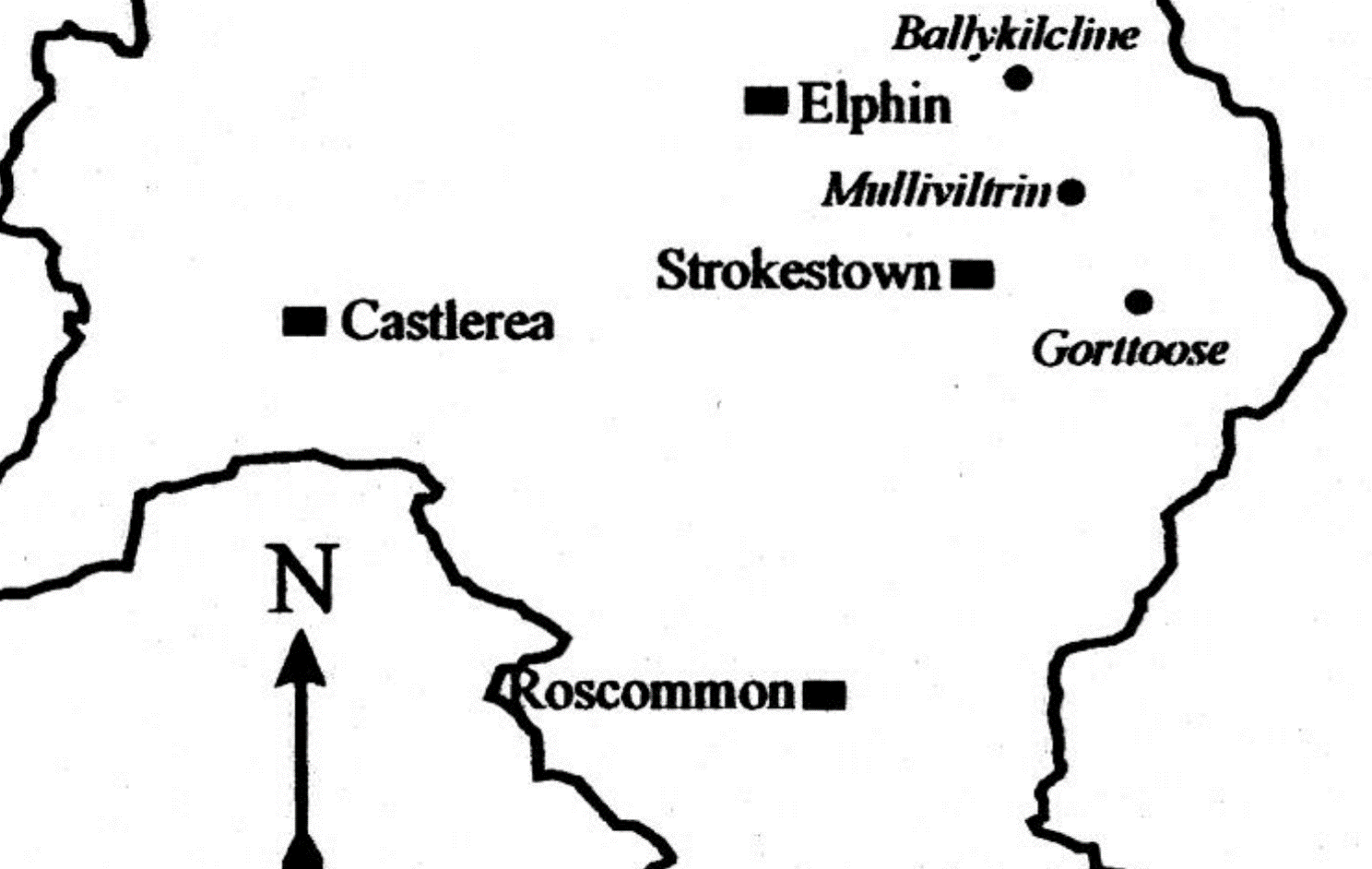


During the Great Hunger in Ireland, approximately six hundred thousand impoverished families in fourth-class, single room mud and sod Famine cabins died in very large numbers and left little trace of their existence.
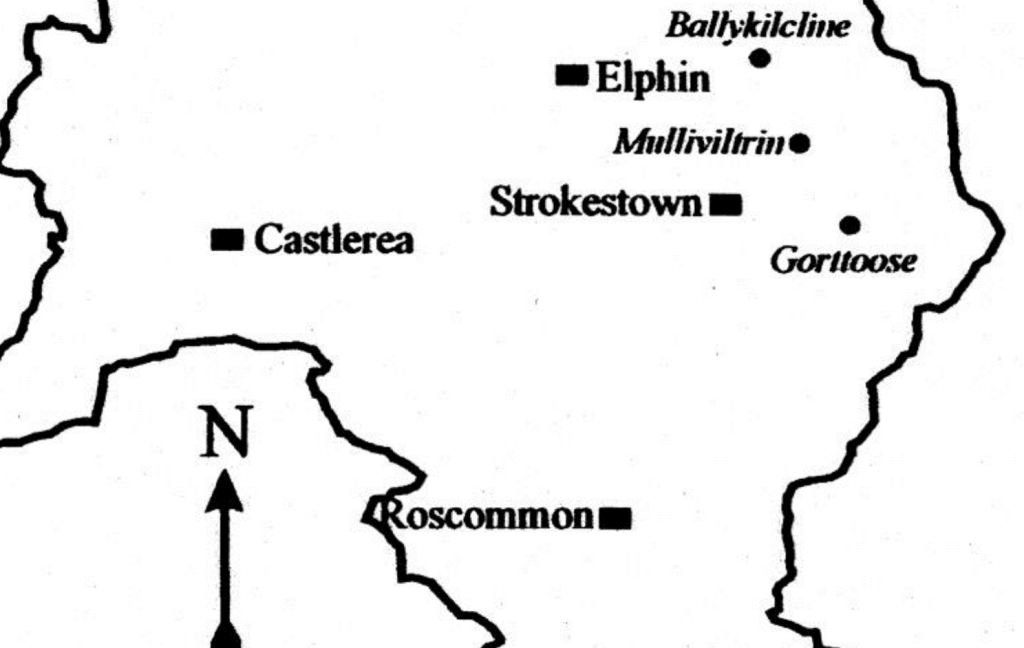
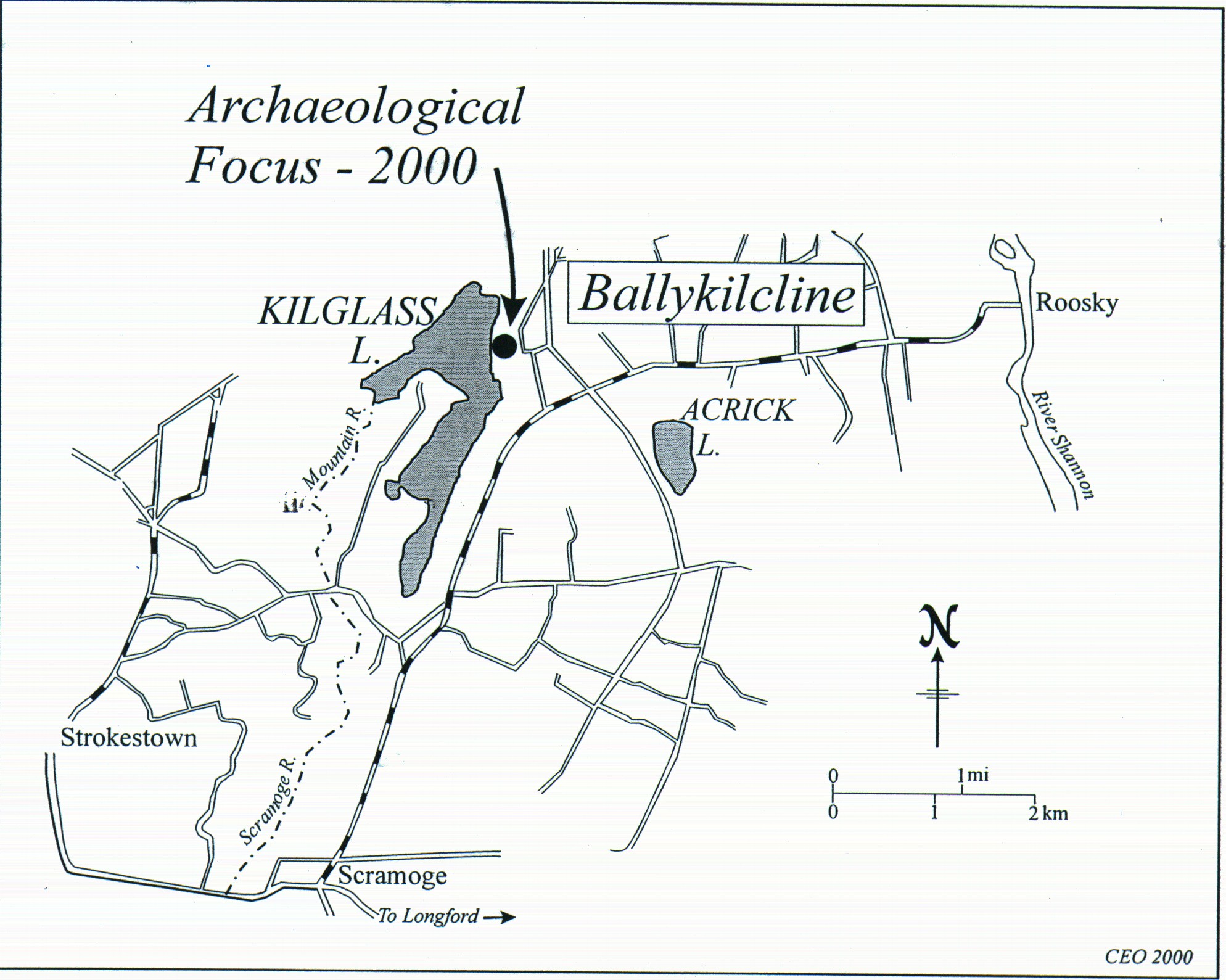
The only archaeological excavations of these fourth-class cabins were undertaken by Professor Charles Orser and his team between 1996 and 2002 on the historic Strokestown Park Estate townlands, as documented in Unearthing Hidden Ireland: Historical Archaeology at Ballykilcline, County Roscommon (Wordwell Press, 2006). They excavated three sites in the area of Strokestown: Mulliviltrin, Gorttoose, and Ballykilcline. Dr Katherine Hull (Archaeological Services International) was a member of the team and she provides an overview of their excavations below.
Mulliviltrin was an undocumented, late eighteenth- and early nineteenth-century village in the townland of Bellanmullia.
Both “Mulliviltran” and “Gurtoose” were mentioned in the Strokestown Estate account book dating from 1804 to 1871, but the records offer few insights into the village itself. In fact, Mulliviltrin remained nearly undocumented until 1848, when George Browne mentioned it. Protesting against the mass evictions ordered by Major Denis Mahon, Browne listed evicted tenants from 27 townlands held by Mahon in the Freeman’s Journal (29 April, 1848). Among those listed was Mulliviltrin and its 71 inhabitants. The village is absent from both the 1841 and 1851 census, suggesting that enumerators considered the village too ephemeral to record. While the village may have been lost to governmental history, its existence has been retained in folk memory; a local informant recounted the story of thick, black smoke rising from the village as the houses were levelled and burned during the 1847 evictions. Archaeological excavations revealed the remains of two sod or mud cabins, identified by the presence of small hummocks of soil, a layer of burned thatch, and hearthstones. Although the number of artifacts collected was small, they are consistent with a pre-Famine domestic occupation, with kitchen and table ceramics comprising over half the assemblage. The site likely represents the small, tenuous holding of a landless labourer.
Gorttoose was a late eighteenth- and early nineteenth-century townland in Bumlin Parish on the former Mahon estate.
The excavation was specifically centered on the nineteenth-century holding of the Murray family. In the mid-nineteenth century, Gorttoose was reported to be 253 acres in area and supported 200 tenants. The Murray family were likely strong farmers (holding over 30 acres under a long lease). Patrick Murray and his family were one of only eleven allowed to remain on the townland after the Famine-era clearances. Murray’s position of power in the parish was made more secure by his service as a manager of the local relief-scheme road construction. Most of the recovered artifacts are associated with a post-Famine house, reflecting the sustained lease of the family. These artifacts range from fragments of highly decorated table ceramics to individual smoking pipes.
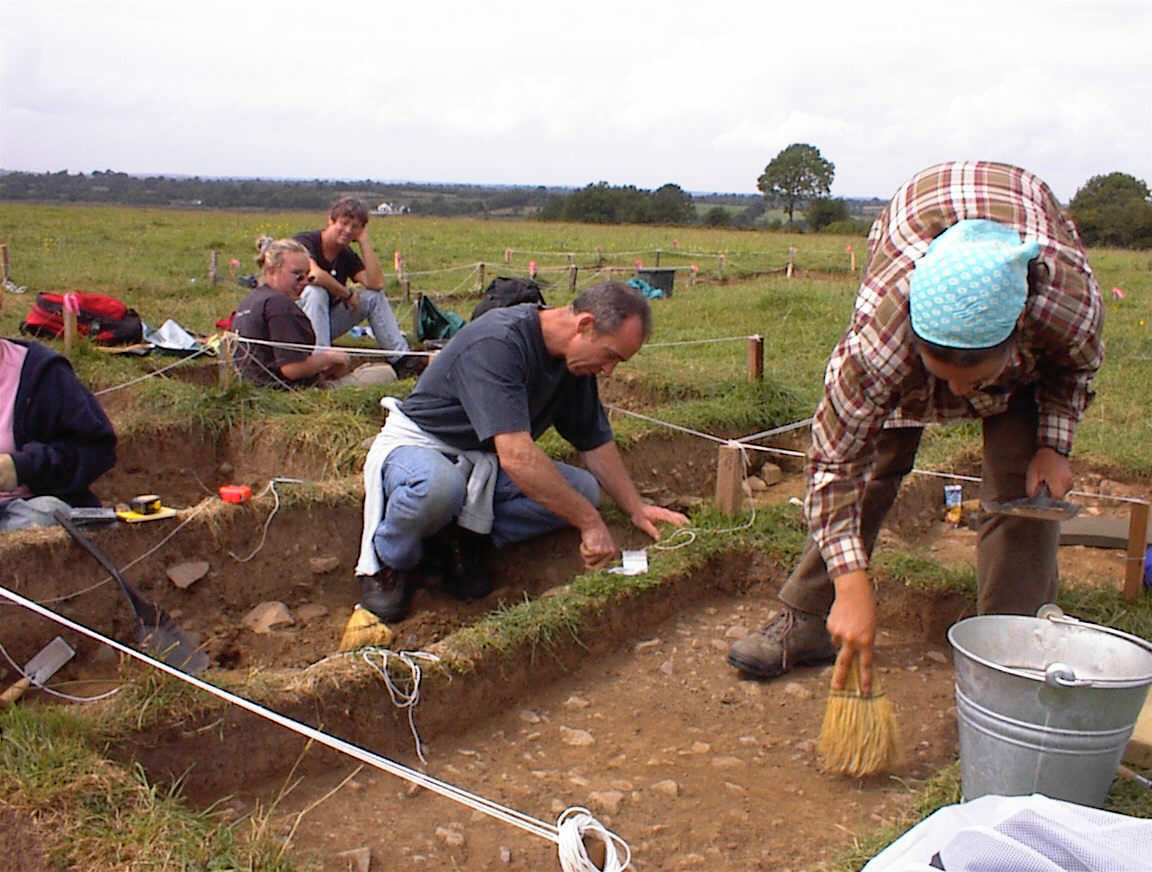
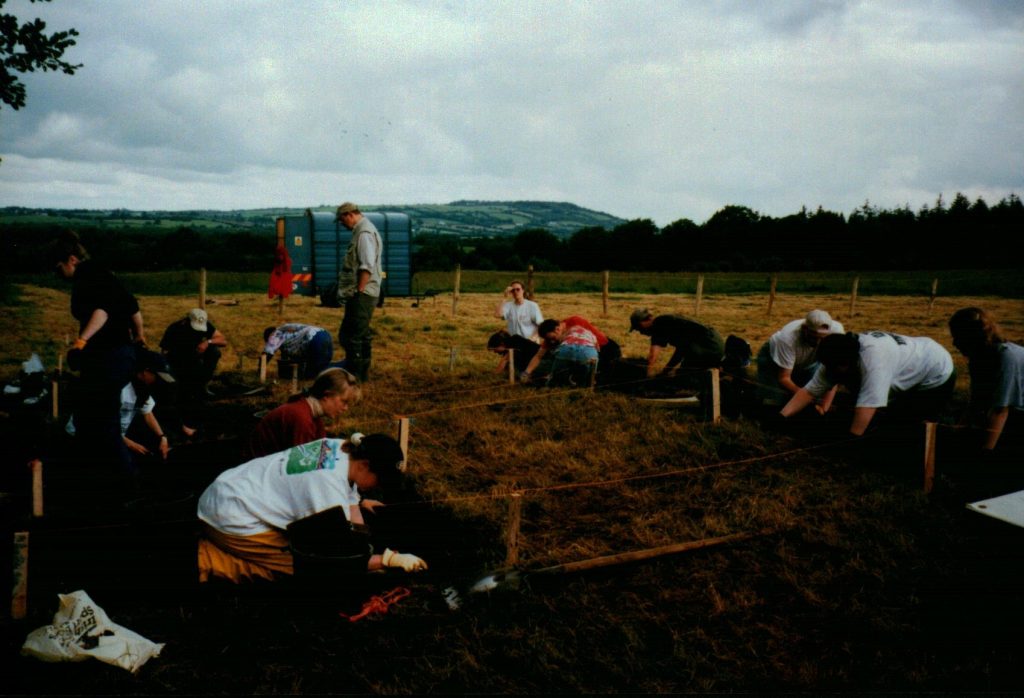
Archaeological excavations in Nary Cabin in Ballykilcline
The excavations at Ballykilcline continued for five years, focused on the nineteenth-century holding of Mark Nary and his three sons in the village of Kiltullyvary.
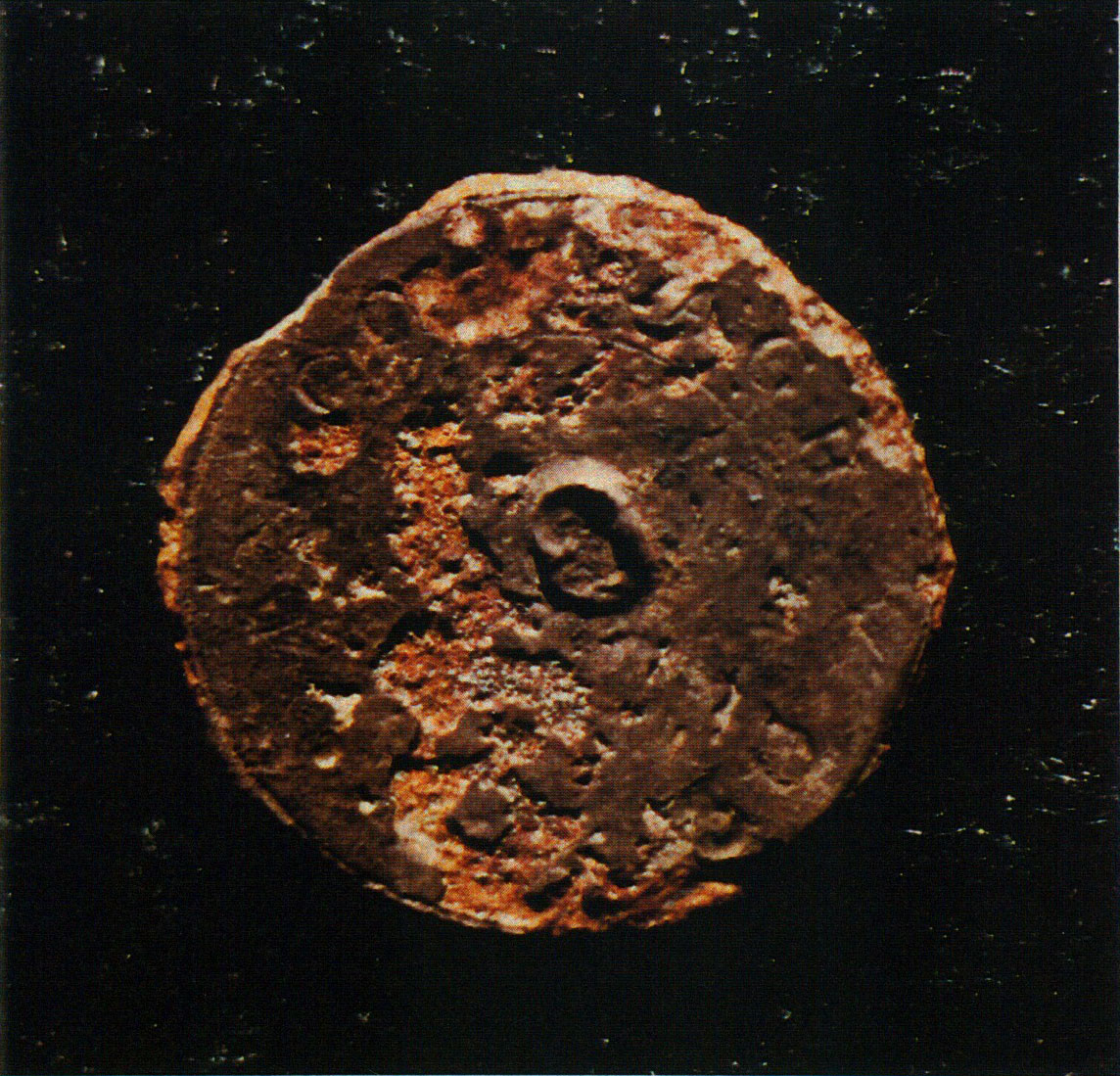
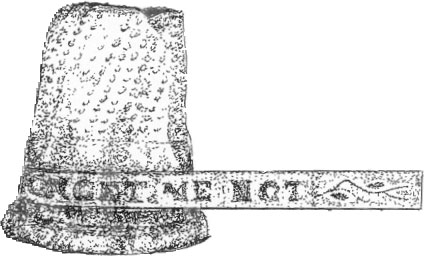
Likely middling farmers, and ‘in fee simple’ lease-holders, the Narys were forcibly evicted in 1847-8, after which the holding was consolidated and used for pasture. Though once held as part of the Strokestown Park Estate, the townland reverted to the Crown in 1834. The savvy tenants initiated a rent strike the same year, taking advantage of the considerable bureaucracy and the ‘absentee landlord’ Queen Victoria. The townland became synonymous with ‘wickedness’ and lawlessness among those attempting to document the population and collect rents. From May 1834 to May 1842, rent payments had declined by 97.5 percent. The history of the subsequent battles, both legal and actual, is fascinating and complex but culminates in the eviction of the townland. Five groups of Ballykilcline residents left from Liverpool to North America between 19 September 1847 and 18 October 1848, leaving a nearly depopulated townland. The archaeological excavations focused on the house and yard area of the Nary holding, revealing eviction-related demolition as well as a network of field drains and cobbled yards. The artifact assemblage from this site is especially robust and provides a previously unknown insight into the material culture of the pre-Famine rural population. The assemblage includes both imported Staffordshire tableware and locally made kitchenware, smoking pipes, clothing fasteners, gaming pieces, marbles, and other items common to domestic sites. Two artifacts are especially poignant—a white clay smoking pipe stamped with the slogan “REPEAL” and an alloy sewing thimble with the slogan “FORGET ME NOT.”
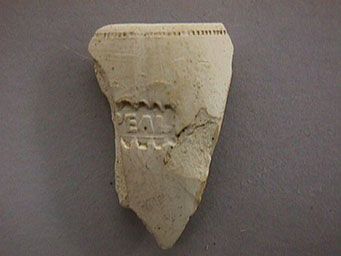
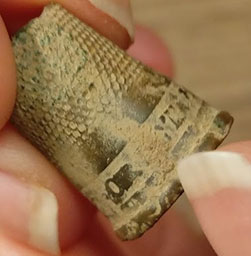
Ultimately, the last day of the cabin dweller left scars in the archaeological record when no eyewitness accounts remained.
The recovery of charred and shattered ceramic artifacts and buttons attests to the scarcity of material culture in cottier households as well as its sudden loss. Their excavations revealed soil layers of scorched earth and ash beneath these former hovels, subterranean burn lines from below which fire scarred and shattered artifacts provide silent testimony to the moment of violent eviction and dispossession.
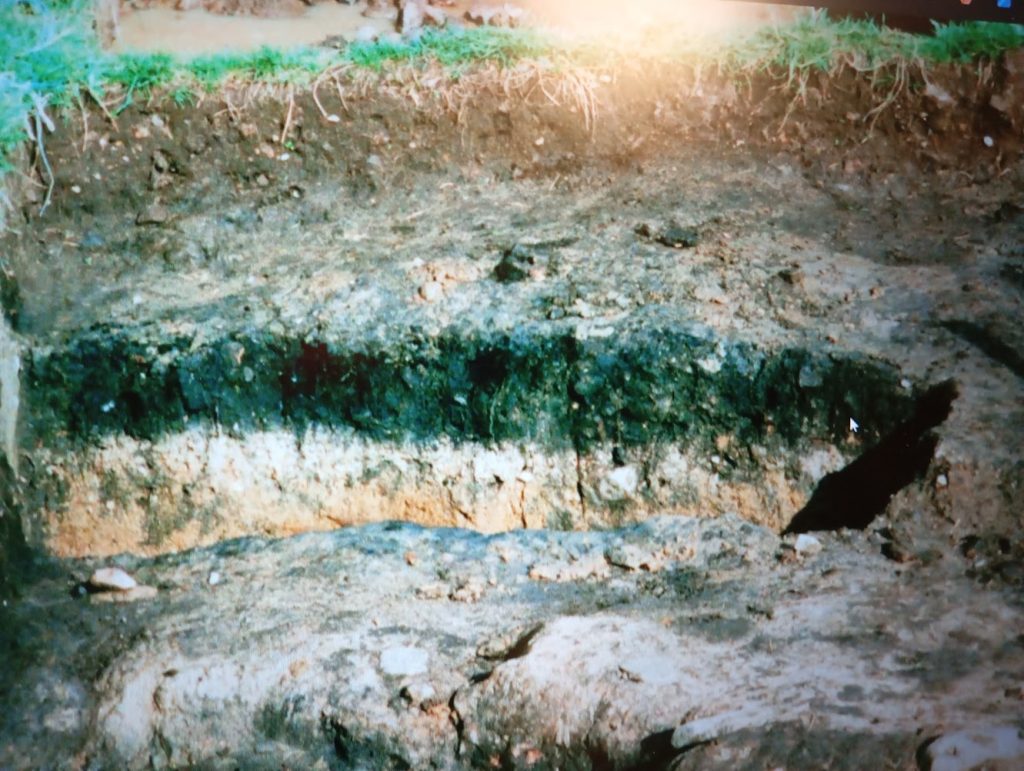
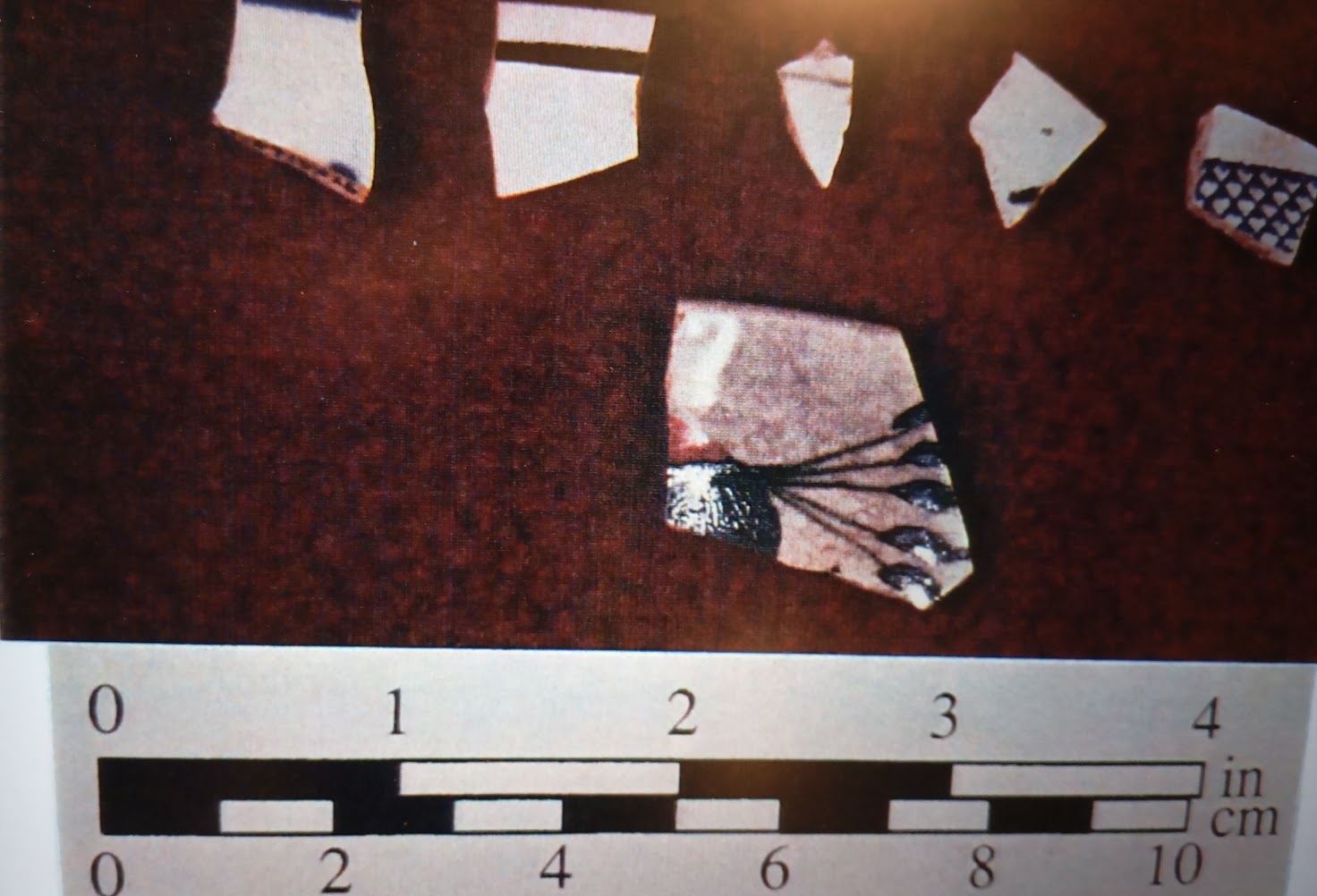
Burn line beneath the soil and charred ceramic artifacts attest to moment of violent eviction in 1847